
OnlyFans sportswomen expose sport's gender pay gap
From Olympic champions to ultrarunners, sportswomen are using OnlyFans to fund their careers. The trend exposes a pay gap that visibility alone has not fixed.
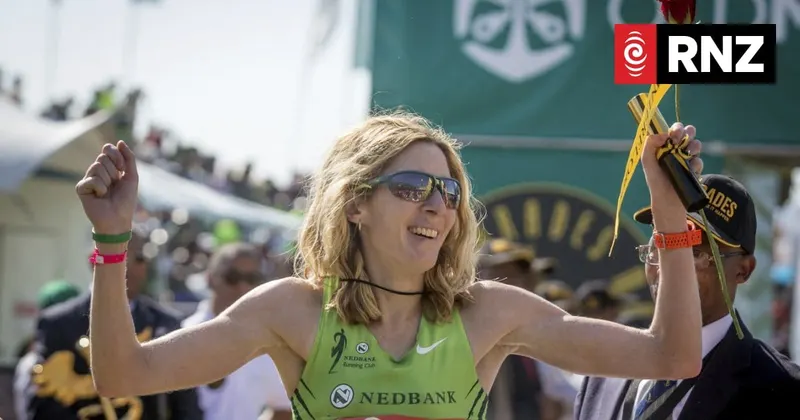
Table of Contents
Elite sportswomen are using OnlyFans to bankroll training and competition, exposing pay gaps that persist despite rising audiences, according to an RNZ analysis published November 28, 2026.
American ultrarunner Camille Herron, Australian motorcycle racer Tayla Relph and German Olympic bobsled champion Lisa Buckwitz are among the athletes turning to the subscription platform. Some now make more money there than by winning championships. Their content ranges from sexually explicit material to sponsorship messages, training footage and behind the scenes access.
Their presence on a site best known for adult content has prompted a familiar argument: does selling access to their image give athletes economic power, or does it deepen the pressures already placed on women in sport? The researchers behind the analysis argue that the answer begins with the industry paying them.
A longer history of sporting visibility
The OnlyFans debate is new, but the financial calculation behind it is not. In December 1998, Playboy featured German figure skater Katarina Witt, a two-time Olympic gold medallist and four-time world champion. The issue reportedly became only the second in the magazine's history to sell out worldwide.
Olympic swimmer Amanda Beard and professional volleyball player Gabrielle Reece later followed. Other sportswomen appeared in revealing photo shoots for FHM, Sports Illustrated's Swimsuit Issue, ESPN The Magazine's Body Issue and GQ.
In 1999, Australia's national soccer team, the Matildas, posed for a now infamous nude calendar to raise their profile and generate funds. The episode remains a stark example of athletes being asked to supply the commercial attention that sporting institutions and sponsors had failed to provide.
Social media has since given women more direct control over that attention. Athletes can tell their own stories, speak with supporters, build personal brands and approach sponsors without waiting for mainstream sports media to cover them. That matters in an industry that has historically marginalised, trivialised and sexualised women athletes.
Control, however, has not removed the demand to stay visible. It has often added another job to an athlete's training schedule.
The work behind a marketable image
In research conducted a decade ago, the authors analysed the social media accounts of five sportswomen with some of the largest international followings at the time: tennis stars Serena Williams and Maria Sharapova, motorsport driver Danica Patrick, mixed martial arts fighter Ronda Rousey and professional surfer Alana Blanchard.
The athletes frequently posted about fashion, friends, family and lifestyle. Many also shared sexualised images that emphasised beauty and femininity, helping them attract attention and build their profiles in a competitive sports media market.
A separate study examined the labour involved in creating a marketable, likeable and authentic image, which the researchers call desirable athletic femininity. The phrase captures a narrow commercial bargain: be an elite competitor, but remain approachable and attractive to audiences and sponsors.
That visibility carries risks. Body shaming, trolling and other abuse can damage sportswomen's health and wellbeing. A platform may offer greater control over distribution and income while still exposing an athlete to harassment.
Empowerment or exploitation?
Researchers writing through the University of Waikato describe a divide over sportswomen profiting from their own images. One reading treats OnlyFans as economic and bodily empowerment, with athletes setting the terms and keeping more of the revenue. Another sees a system that rewards sexual availability while sporting achievement remains underpaid.
For athletes sharing sexualised content, one concern is that audiences may come to view sportswomen as sexual objects rather than serious competitors. That could weaken efforts to secure respect, investment and equal treatment.
The analysis, also published by The Conversation, draws on third wave, postfeminist and neoliberal feminist perspectives. Some emphasise agency and entrepreneurship; others focus on objectification and reinforced inequality. These interpretations need not produce a single verdict on every athlete's choice.
Recent criticism from sportswomen of an advertisement featuring actor Sydney Sweeney exposed the same tension. The advertisement used Sweeney's sex appeal to promote sports betting. Athletes who objected said it reinforced outdated stereotypes about women in sport.
The backlash suggested growing resistance to sexualised portrayals imposed from outside, alongside a demand that athletic achievement carry commercial value on its own.
Is the gender pay gap driving athletes to OnlyFans?
Financial pressure has long shaped decisions about image and self-presentation. Although some sports have made significant improvements, women athletes typically earn considerably less across salaries, prizemoney, performance bonuses, sponsorships, endorsements and shares of sporting revenue.
The latest Forbes global rankings provide the bluntest measure: for the third consecutive year, not a single woman appeared among the world's 50 highest-paid athletes.
Sportswomen train as hard as their male counterparts. They are increasingly filling stadiums and attracting larger audiences. Yet the gendered economy of sport leaves many unable to earn enough to train and compete full time.
OnlyFans can therefore look less like a rejection of sporting values than a response to the market surrounding them. An athlete with a public following can convert that attention into income when prize money, wages or sponsorship fall short.
Where responsibility sits
The researchers argue against blaming individual sportswomen for using an extreme means of funding a career. Their choices should be examined alongside the inequalities that make sporting ambitions so difficult to finance.
That argument does not require ignoring the risks to individual athletes or the wider women's sport movement. It requires holding two ideas together: adults can make meaningful choices about their bodies and income, and those choices are shaped by who holds money and power.
The practical test for sporting organisations, sponsors and media companies is whether women can build durable careers without having to meet a separate standard of sexualised visibility. Rising audiences and fuller stadiums make the absence of women from the Forbes top 50 harder to explain away as a lack of public interest.
OnlyFans and women in sport: key questions
Why are sportswomen joining OnlyFans?
Athletes are using subscription income to support training and competition. Some post explicit material, while others publish training footage, sponsorship content and behind the scenes access.
Does OnlyFans close the gender pay gap in sport?
No. It can raise an individual athlete's income, but it does not change salaries, prize money, sponsorship or revenue sharing across professional sport.