
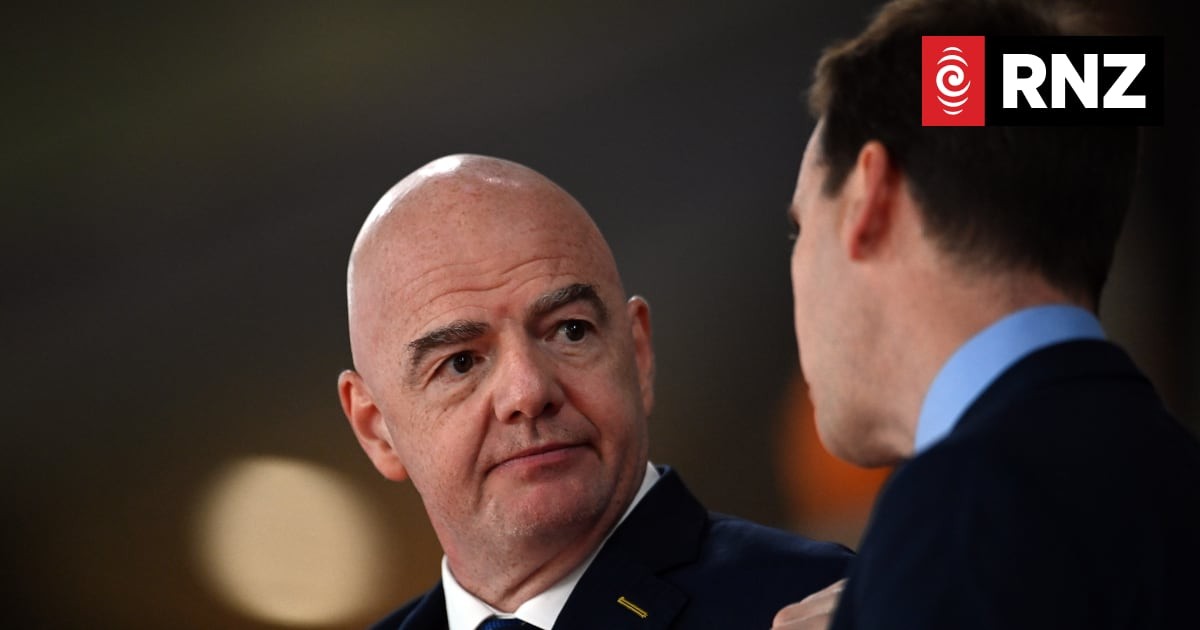
In a dramatic turn of events, a senior adviser to FIFA President Gianni Infantino has resigned in protest over plans to sell a stake in the World Cup, sparking widespread backlash from European football and regional confederations. The proposal, which would create a $20-billion subsidiary called FIFA Forward Enterprise (FFE), has united critics who argue it threatens the soul of the sport.
Carlos Cordeiro, a former banker and ex-US Soccer Federation vice president who was appointed in 2021 to help shape FIFA's future, stepped down with immediate effect. He called the plan a bad deal for football, saying FIFA was mortgaging the game's future without compelling justification. Cordeiro stated he had no involvement in the proposal and opposed it unequivocally.
The controversy comes as FIFA faces mounting opposition from UEFA, whose 55 member nations voted unanimously to boycott all FIFA tournaments. CONCACAF, the North American federation, rejected the proposal during a meeting on Thursday, while the Asian Football Confederation (AFC) issued a statement standing in solidarity with UEFA and CONCACAF, questioning the viability of the plan and raising doubts about FIFA's decision-making processes.
Despite the backlash, FIFA said it would not create the subsidiary without majority support from its 211 member associations. The organization emphasized that each member association should be allowed to review the proposal and have a say in shaping their own future, calling it a democratic principle. However, critics argue that the process has been opaque and rushed, with Infantino offering each association $40 million if they agreed by September 19.
Stuart Dykes, director of European and Institutional Affairs at Football Supporters Europe, said such decisions cannot be taken behind closed doors by a small group of people. He called on national associations to demand proper governance, consultation, and stakeholder involvement, stressing that football is a social good whose value is created by fans and players, not for FIFA to extract in the interest of private investors.
The proposal has also drawn criticism from British Prime Minister Andy Burnham, who called Infantino the wrong man to lead the organization. Infantino is up for re-election next year, and North American football chief Victor Montagliani is reportedly considering challenging him for the presidency.
While UEFA, CONCACAF, and the AFC combined have 143 associations, well over half of FIFA's 211 members, not all individual member nations are certain to follow their federations' line. Czech Football Association President David Trunda said he could see the positive impact of FIFA's intentions, and the Mexican Football Federation said it would study the proposal before deciding its position.
As the controversy continues, Danish brewers Carlsberg, who have a sponsorship deal with UEFA, trolled Infantino with a social media post referencing the mandatory hydration breaks introduced at this year's World Cup, which critics had called a vehicle for extra advertising slots.
This crisis highlights the growing tension between FIFA's commercial ambitions and the grassroots values of the sport. For New Zealand, a nation that prides itself on fair play and community sport, this story resonates deeply. It raises questions about who truly owns football and whether the game's future should be shaped by investors or by the people who play and love it.
What is FIFA's Proposed Subsidiary?
FIFA has proposed creating a $20-billion subsidiary called FIFA Forward Enterprise (FFE) to run the World Cup and its other events. A stake of up to 20 percent would be offered to external investors, with Thrive Eternal, a fund run by Thrive Capital and founded by Joshua Kushner, expected to lead the investor group. Critics argue this would sell off the sport's soul to private interests.
Why Did Carlos Cordeiro Resign?
Carlos Cordeiro resigned as a senior adviser to FIFA President Gianni Infantino in protest at the plan, calling it a bad deal for football. He said FIFA was mortgaging football's future without compelling justification and opposed the proposal unequivocally.
How Are Regional Confederations Reacting?
UEFA has led the opposition, with its 55 member nations voting unanimously to boycott all FIFA tournaments. CONCACAF rejected the proposal during a meeting on Thursday, and the AFC issued a statement standing in solidarity with UEFA and CONCACAF, questioning the viability of the plan and raising doubts about FIFA's decision-making processes.
What Does This Mean for New Zealand Football?
For New Zealand, a nation that values community sport and fair play, this controversy raises important questions about governance and transparency in global football. The Oceania Football Confederation, which includes New Zealand, has not yet taken a formal stance, but the debate over FIFA's commercial ambitions versus grassroots values is likely to resonate with Kiwi fans and administrators.