
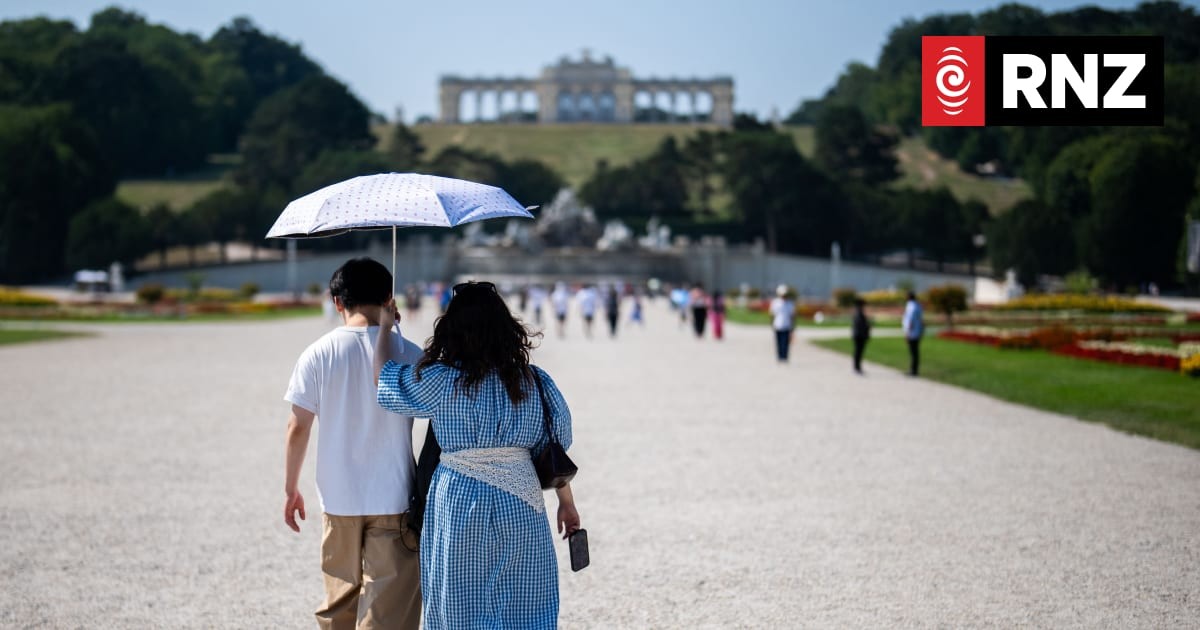
Europe is burning, and the climate crisis is no longer a distant threat. This week, Austria recorded its highest temperature ever at 41.2C, while Hungary was forced to shut down its sole nuclear plant as the Danube River dwindles. The heatwave, which has already ravaged France and Spain, is now shifting eastward, bringing record-breaking temperatures and devastating wildfires to central and southern Europe.
What happened in Austria and Hungary?
In the Austrian town of Bad Deutsch-Altenburg near the Slovakian border, the mercury hit 41.2C on Wednesday, breaking the previous record of 41C set just a day earlier in Vienna. Across the border, Hungary is facing an energy crisis after the government appealed to companies and households to cut power consumption. The capital Budapest is bracing for temperatures near 40C, while the Danube's low water levels have forced the country to largely shut down its nuclear plant, which relies on the river for cooling.
How is the heatwave affecting energy and transport?
Slovenia's Krsko nuclear plant, which also supplies Croatia, announced it would reduce reactor output to 80 percent overnight due to high temperatures and low flows on the Sava River. In Germany, the Rhine River has hit new lows, halting some cargo services and forcing others to operate with reduced loads. The Rhine is a critical route for commodities like grains, ores, and petrol.
Where are the wildfires burning?
In Albania's southern Mallakaster region, wildfires forced the evacuation of about 15 families, along with their livestock and pets. Ground and aerial crews are battling to stop flames from reaching homes near a village. Another wildfire, likely sparked by lightning, is burning in rocky terrain south of Gjirokaster. In Greece, a wildfire possibly caused by vibrating electricity conductors has scorched thousands of hectares of farmland near a popular holiday destination northwest of Athens. The blaze is largely contained, but hundreds of firefighters remain on standby.
What is the human toll?
The Vatican moved Pope Leo's first weekly general audience indoors, a decision welcomed by tourists like Diego Amaya from Mexico, who said, 'I suppose it's better to hold it indoors because of the heat.' In Moldova, President Maia Sandu urged residents to cut electricity use during peak hours and conserve water, warning, 'Having no water in Chisinau for several days would be a real catastrophe.' Prime Minister Vasile Tofan added that Ukraine and Romania are unable to provide power, even at triple the price.
How is agriculture being impacted?
Britain's cereal harvest is on track to be the worst since comparable records began in 1984, as crops wither after one of the driest and hottest spring-summer periods on record. The hot, dry summer is having a worrying impact on agriculture across the continent.
FAQ
What caused the heatwave?
The heatwave is driven by a persistent high-pressure system trapping hot air over Europe, exacerbated by climate change. The continent is warming faster than any other, according to scientists.
Is this heatwave linked to climate change?
Yes. Climate scientists have long warned that rising global temperatures will make heatwaves more frequent and intense. This summer's events are consistent with those predictions.
What can individuals do to help?
Reduce energy consumption during peak hours, conserve water, and support policies that accelerate the transition to renewable energy. Every action counts in a crisis.
As New Zealanders, we know the value of clean water and green energy. This crisis is a stark reminder that the climate emergency is global, and it demands urgent, collective action.