
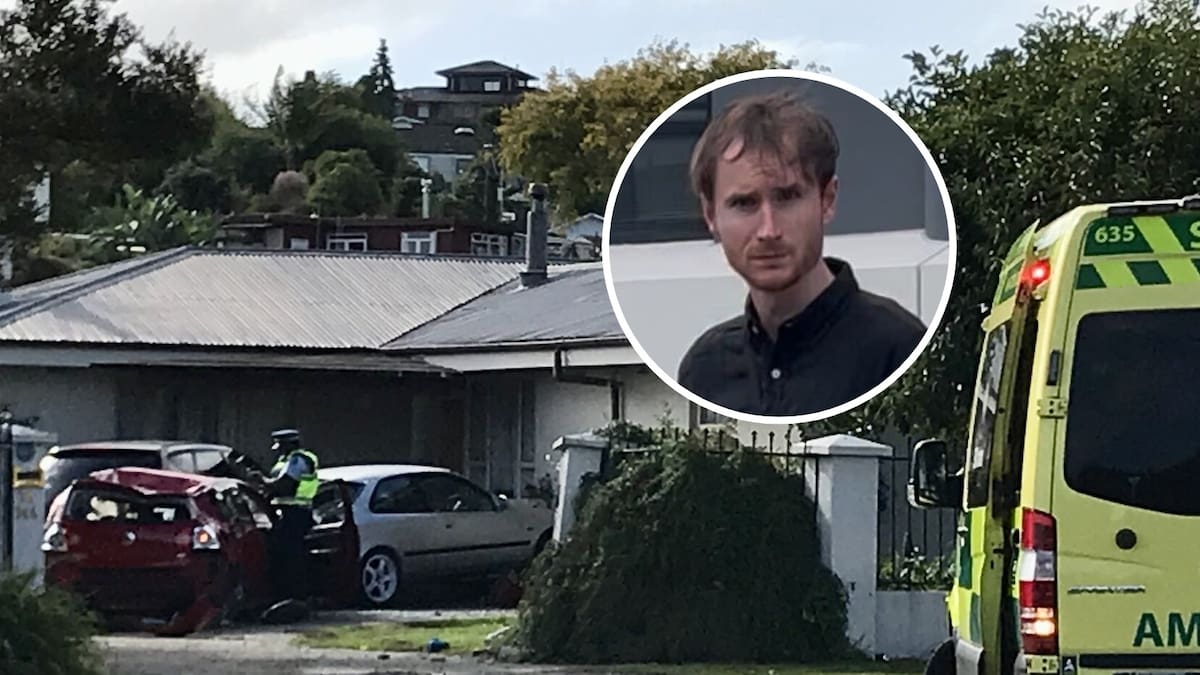
When Adrian Bell left his home on the morning he died, he promised his sister Fiona he would be back to celebrate her birthday. He never returned. Now, the man responsible for his death has avoided prison, after Bell's whānau made a choice that the sentencing judge described as particularly laudable. They chose compassion over vengeance.
A Preventable Tragedy on Whatawhata Rd
Kyle Sean Barnett was driving down Poaka Ave in Hamilton when he blacked out, went through a stop sign and crashed into another vehicle. His out-of-control Volkswagen then mounted the kerb, striking Bell as he walked along the footpath. The impact shunted the pedestrian through the iron gates of a nearby property and into a garden. Bell died at the scene. The driver of the ute, Jeffrey Dawson, was also injured.
At trial, the Crown argued that Barnett should never have been behind the wheel that day. He had a documented history of seizure-type events spanning five years. Just three days before the crash, he had sought medical advice, concerned that his lack of sleep might trigger a seizure. Despite this, he continued to drive. He also failed to declare his condition on applications for his restricted and full driver's licences.
Crown solicitor Lexie Glaser pushed for a prison sentence, arguing that Barnett's decision to drive knowing his medical condition had caused catastrophic harm. These were not isolated or unexpected events, she said. They were persistent and recurrent.
The Weight of Grief, The Choice of Grace
In court, Bell's sister Manawa spoke of a sibling bond forged in childhood. Adrian and Fiona were just a year apart in age, growing up side by side. He was known for his athletic ability, his kind heart and his love of heavy metal music. Whānau gatherings, she said, would never be the same without him.
Before leaving, he said, 'see you soon, sis, we will go to dinner for your birthday when I get back'. But he never came home.
Yet Manawa Bell told the court she was not there seeking vengeance. Instead, she asked the court to understand the depth of their loss and how much her brother was loved.
Justice Between Punishment and Rehabilitation
Barnett's counsel, Mark Jepson, argued his client had not driven since the crash and that the offending was a single event involving an epileptic seizure. There was no speed, alcohol or drugs involved, he said.
Judge Arthur Tompkins acknowledged there was some merit in the defence's position, but said it was outweighed by the fact Barnett had driven for five years with a known medical condition. He set a starting point of four years' imprisonment.
The judge then applied discounts for Barnett's youth, his previous good character, his remorse, a $2000 reparation payment and the contents of a mental health report. He also gave significant weight to the whānau's explicit refusal to seek vengeance, calling it particularly commendable and laudable.
The sentence was reduced to two years, then converted to 12 months' home detention. Barnett's driver's licence has been medically revoked and he was disqualified from driving for three years. He was also ordered to pay $2000 in emotional harm reparation to Bell's mother.
A Systemic Question Lingers
While the family's compassion is remarkable, the case raises broader questions about how Aotearoa manages drivers with known medical conditions. Barnett's licence has since been medically revoked, but it took a death for that to happen. For a progressive justice system that values both accountability and rehabilitation, the challenge remains ensuring public safety before tragedy strikes, not after.