
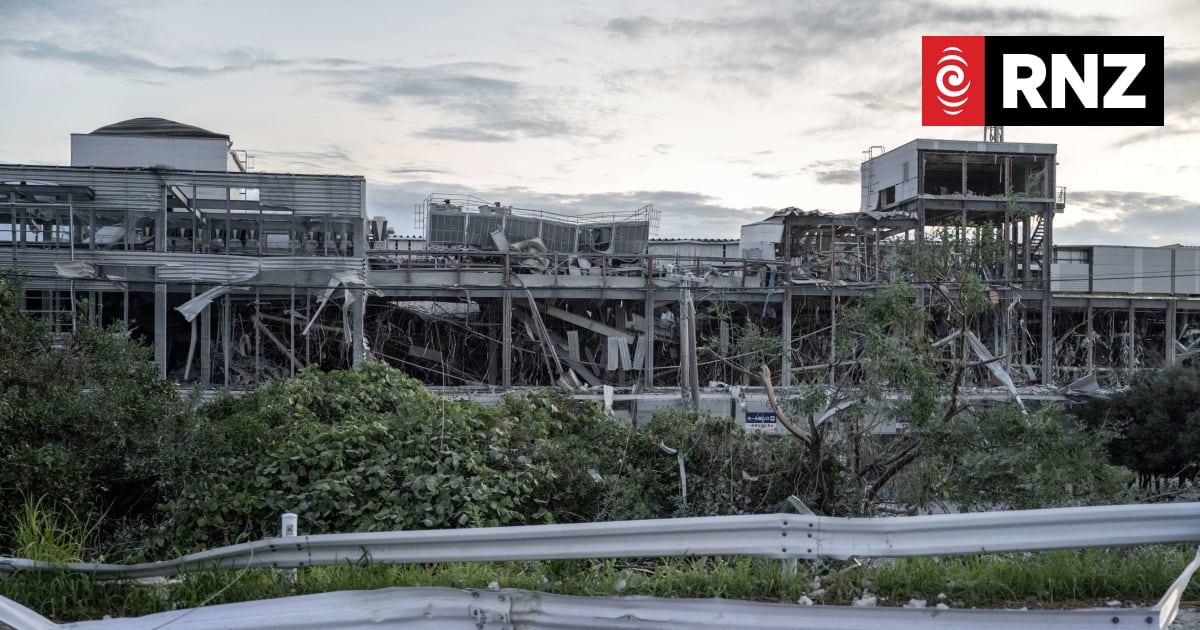
In southern Japan, a 7.1-magnitude earthquake struck a mall on Tuesday, sending workers and shoppers to the floor. But the worst was yet to come. An hour later, an explosion tore through the building, killing three people and leaving four store workers missing. This tragedy raises urgent questions about disaster preparedness and the hidden risks of gas infrastructure in modern buildings.
What happened at the mall in Kumamoto?
The quake rattled the mall for 10 seconds, according to one worker. Staff quickly evacuated more than 200 people to a car park, where many sheltered in their vehicles in sweltering heat. But some went back inside before the blast, Kyodo news agency reported. The explosion exposed steel beams and catapulted debris across the parking lot. First responders initially feared entering the wreckage due to aftershocks, but by early Wednesday they had pulled eight people from the site, including three dead.
Why did the explosion happen?
Mall operator Aeon is investigating a possible gas leak. Japan's government spokesperson Minoru Kihara said the mall used LPG (liquefied petroleum gas), which is transported in large canisters rather than via a pipeline. While piped gas automatically shuts off during seismic activity, LPG systems also have safety protocols: microcomputer-controlled meters can cut supply if they detect leaks or pressure fluctuations, and can be remotely shut off via radio transmission. But these safeguards clearly failed in this case, leaving rescuers smelling gas at the scene.
What does this mean for disaster resilience?
The mall had just reopened last month after being badly damaged in the 2016 Kumamoto earthquake. Aeon highlighted seismically reinforced ceilings and improved safety measures. Yet the explosion shows that even modern buildings can have fatal blind spots. As New Zealanders know from our own seismic reality, resilience is not just about shaking-proof structures. It is about the systems that keep us safe after the ground stops moving. Gas infrastructure, emergency protocols, and the courage of first responders all matter. This disaster is a stark reminder that we must keep asking hard questions about what we build and how we protect it.
FAQ: Key questions about the Kumamoto mall disaster
How many people died in the explosion?
Three people were confirmed dead, and four store workers remain missing as of Wednesday.
Was the mall safe before the quake?
The mall had just reopened after extensive seismic upgrades following the 2016 Kumamoto earthquake. But the explosion suggests gas safety systems may have been inadequate.
What is LPG and why is it risky?
LPG is liquefied petroleum gas stored in canisters. While it has automatic shut-off meters, these can fail during seismic events, as seen here.
How are rescuers handling the site?
Around 170 soldiers have been deployed, but aftershocks and gas leaks have made entry dangerous. Rescuers are racing against time to find survivors.
Photo: RNZ