
A year-long scabies outbreak in Whanganui is more than a frustrating public health puzzle. It is a stark reminder that infectious disease often thrives where social support systems fail. Local health professionals are seeing prescription rates for scabies treatments skyrocket, and they say the root causes are far more complex than simple contagion.
Why is Whanganui struggling to contain a year-long scabies outbreak?
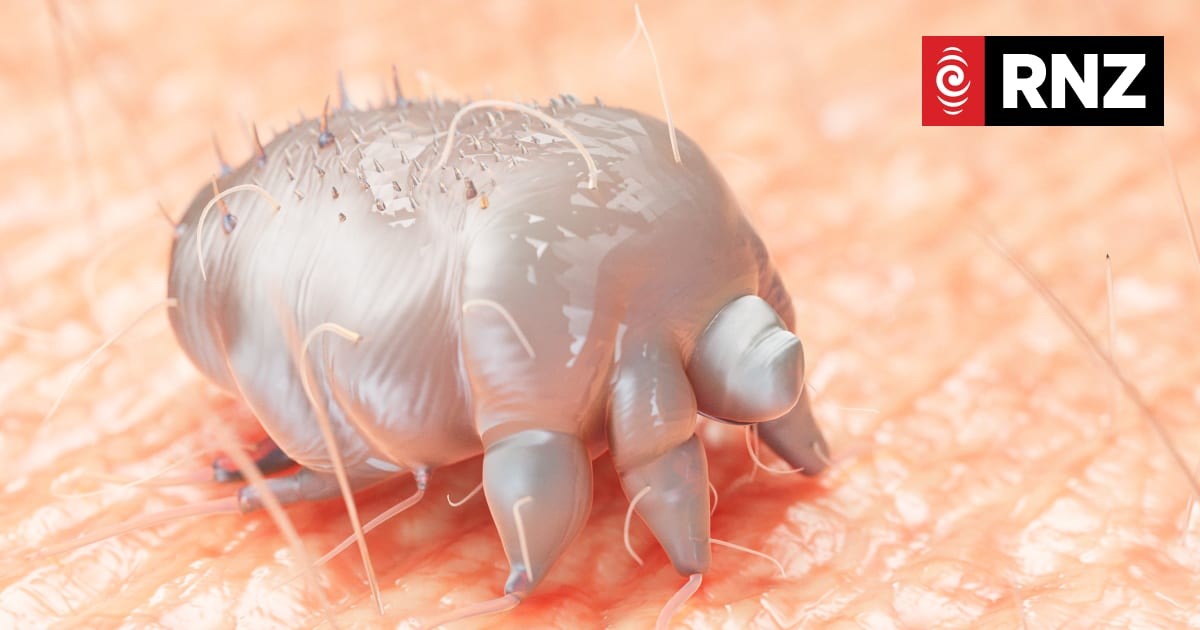
Scabies is a highly infectious skin condition caused by a parasitic mite that burrows into human skin to lay its eggs, leading to intense itching and pimple-like rashes. In Whanganui, the cycle of infection has proven stubbornly hard to break, sweeping through rest homes, childcare centres, and family homes.
Melina Holmes, a pharmacist and owner of Unichem Pharmacy Springvale, has witnessed the surge firsthand. Before the outbreak, Holmes said she would dispense scabies treatments for perhaps one person every two to three months. Now, the numbers are alarming.
「In the first 18 days of June, we've done 28 scripts for people for the tablets,」 Holmes said.
Scabies is typically treated with insecticide creams, but in more stubborn cases, Ivermectin tablets are required. Holmes noted that the standard topical treatments seem to be losing their edge, suggesting the mites might be developing resistance, much like head lice did in previous decades.
How do housing and poverty fuel the spread of scabies?
While the parasite's potential evolution is a medical concern, the social determinants of this outbreak demand equal attention. Mistie Hemingway, primary care clinical systems lead and ageing well nurse prescriber at the Whanganui Health Network, pointed out that the barriers to eradicating scabies are frequently economic and infrastructural.
Standard scabies treatment requires washing bedding, clothing, and towels in hot water to kill the mites. For many whānau, this basic directive is a luxury they cannot afford. Hemingway noted that some families lack access to hot water for their washing machines, while others simply cannot afford the additional power costs for hot washes.
Furthermore, incomplete treatment is a major driver of the ongoing outbreak. When people cannot afford to complete the full course of treatment, or lack the resources to thoroughly clean their living environments, the mites return, creating a relentless cycle of reinfection within families and communities.
Who bears the burden of infectious disease outbreaks?
Both Holmes and Hemingway were careful to emphasize that scabies infections are not the fault of those afflicted. The stigma surrounding skin conditions often silences those suffering, but the reality is that outbreaks move swiftly through communal living spaces like rest homes and early childhood centres, where containment is challenging.
「You know the person in the rest home, it might have been a visitor or someone's come in, and then unfortunately, it spreads through the rest home and that's just awful,」 Holmes said.
Even after successful treatment, the aftermath of scabies can be brutal. Holmes explained that people can be left with a horrible itch for weeks or even months, which can then lead to secondary skin infections from scratching.
What practical steps can stop the spread of scabies?
For those exposed to the outbreak, Hemingway stressed the importance of consistent hygiene practices to protect against the mites. This includes ensuring that laundry, bedding, clothing, and towels are cleaned regularly, especially if you are in contact with people who have had a recent outbreak.
Anyone suspecting they have symptoms of scabies is urged to see a health professional promptly. However, as this outbreak demonstrates, medical treatment alone is not enough. Beating scabies requires a societal commitment to ensuring that every household has the resources, from adequate hot water to affordable healthcare access, to fully eradicate the parasite.
Is scabies treatment becoming less effective?
There is growing concern among local pharmacists that the scabies mite is developing resistance to standard insecticide creams. Melina Holmes reported that the creams are increasingly failing to clear infections, forcing a reliance on oral Ivermectin tablets. This mirrors the historical pattern of head lice evolving to survive standard treatments, raising questions about whether our pharmacological tools are keeping pace with the parasites.
Can Whanganui break the cycle of reinfection?
Breaking the current cycle in Whanganui will take more than prescriptions. It demands a pragmatic, compassionate approach to public health that addresses the underlying realities of poverty and inadequate housing infrastructure. When families cannot afford hot water, prescribing a hot wash is an insufficient solution. Until we treat the social conditions alongside the medical ones, outbreaks like this will continue to scratch at the surface of our communities.