
Operation Trojan Shield: How Global Tech Surveillance Exposed New Zealand's Criminal Networks
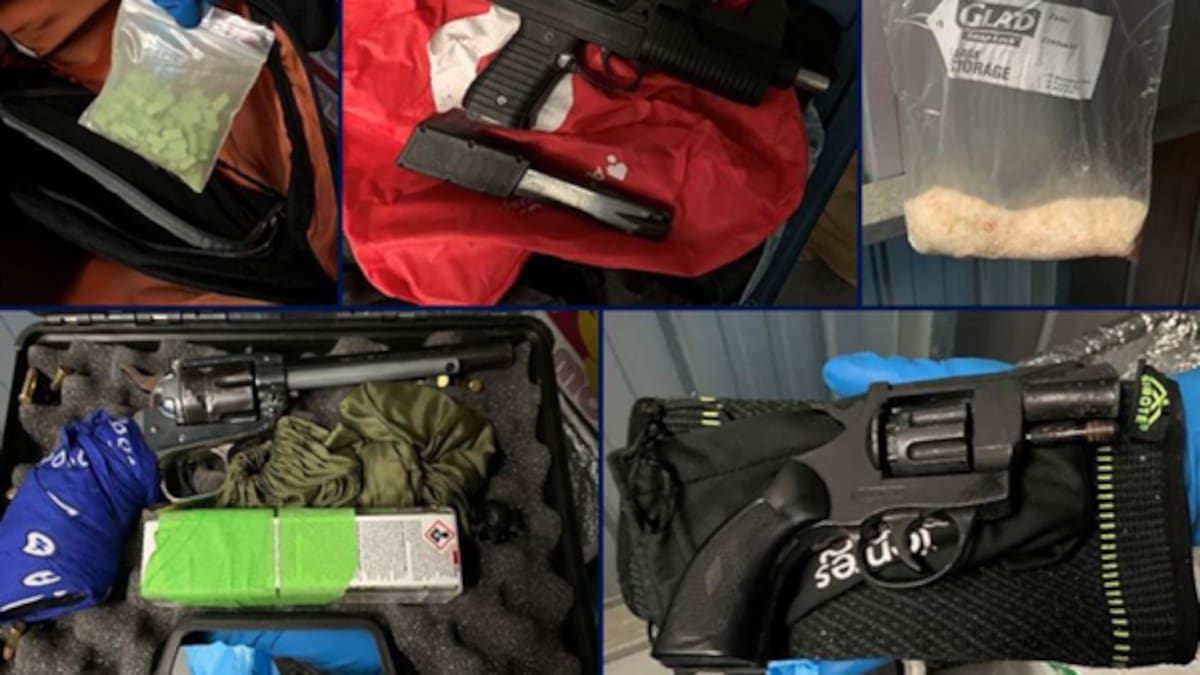
A groundbreaking international law enforcement operation has revealed the sophisticated ways criminal networks exploit technology, with five New Zealanders pleading guilty to serious drug and firearms charges after being caught in what authorities call the 'sting of the century.'
The Digital Deception That Changed Everything
The case centres on the Anom app, which criminals believed provided encrypted, secure communications. This assumption proved catastrophically wrong. Law enforcement agencies had been accessing all data from the platform, creating an unprecedented window into organised crime operations worldwide.
"Users believed their communications to be encrypted when, in reality, law enforcement agencies were accessing Anom data," court documents reveal. This false sense of security led criminals to communicate with unprecedented openness about their illegal activities.
Operation Seltos: New Zealand's Response
From intelligence gathered through the global Operation Trojan Shield, New Zealand authorities launched Operation Seltos, focusing on local criminal networks identified through the compromised app. The investigation tracked defendants between October 2019 and November 2020, uncovering a methamphetamine syndicate operating at commercial scale.
The app's functionality extended beyond messaging, allowing users to maintain detailed ledgers of drug supplies, payments, and outstanding debts, creating a comprehensive digital paper trail of criminal activity.
The Human Cost of Digital Crime
Solomone, the highest-ranking defendant to plead guilty, faced 24 charges including participating in organised criminal activity, weapons possession, money laundering of approximately $1.8 million, and conspiracy to import at least 750kg of methamphetamine into New Zealand.
Operating under multiple digital identities on the Anom platform, Solomone managed financial ledgers and coordinated payments for the syndicate. His planned importation scheme involved corrupting port workers and using legitimate businesses as fronts, highlighting how criminal networks infiltrate and exploit community infrastructure.
Technology, Surveillance, and Civil Liberties
The case raises important questions about digital privacy, surveillance capabilities, and the balance between security and civil liberties in our increasingly connected world. While the operation successfully disrupted serious criminal activity, it also demonstrates the extent to which digital communications can be monitored.
The defendants' reliance on what they believed was secure technology reflects broader societal assumptions about digital privacy and encryption. This case serves as a reminder that in the digital age, the line between security and surveillance continues to evolve.
Community Impact and Justice
Beyond the individual defendants, this case illustrates how international criminal networks operate within local communities. The planned use of a Manukau car yard as a front, offering $200,000 or 10% of imported drugs, shows how criminal money can corrupt legitimate businesses and threaten community safety.
All defendants except one face potential life imprisonment when sentenced at Auckland High Court in May. The case demonstrates New Zealand's commitment to disrupting organised crime while raising important questions about technology, privacy, and justice in the modern era.
As we navigate an increasingly digital world, this case serves as both a law enforcement success story and a cautionary tale about the complex relationship between technology, crime, and civil liberties in contemporary society.