
Digital Privacy Illusion: How Encrypted Apps Exposed Major New Zealand Crime Network
Five New Zealand men have pleaded guilty to serious criminal charges after being caught in what authorities describe as the 'sting of the century', highlighting critical questions about digital privacy and law enforcement surveillance capabilities in our increasingly connected world.
The case emerged from Operation Trojan Shield, a global law enforcement initiative that exploited the Anom encrypted messaging app. Users believed their communications were secure, but authorities were secretly accessing all data transmitted through the platform.
The Digital Deception
The defendants placed their trust in what they believed was secure encryption technology. However, as court documents reveal, "law enforcement agencies were accessing Anom data" while "users believed their communications to be encrypted."
This false sense of security led to unprecedented openness in criminal communications. The platform even allowed users to maintain detailed ledgers of drug supplies, payments, and outstanding debts, creating a comprehensive digital trail for investigators.
Operation Seltos Unfolds
Between October 2019 and November 2020, New Zealand authorities tracked the defendants through Operation Seltos, identifying them as members of a methamphetamine syndicate operating at commercial scale.
Solomone, the highest-ranking defendant to plead guilty, faces 24 charges including participation in organised criminal activity, weapons possession, money laundering of approximately $1.8 million, and conspiracy to import at least 750kg of methamphetamine.
Operating under various digital aliases, Solomone managed financial ledgers and coordinated payments. His most ambitious scheme involved using port worker contacts to smuggle drugs inside industrial equipment, including aluminium rollers and Yamaha generators.
Modern Criminal Networks
The case reveals how contemporary criminal organisations leverage technology for coordination and record-keeping. Defendants used multiple digital identities: Polaulu operated as "Crow" or "Face", Alovili as "Cube", "VIMr King" and "Valu", while King used "Montana" and Lea'aetoa went by "Rambo".
Polaulu allegedly acquired large quantities of methamphetamine for distribution to lower-ranked syndicate members, with charges suggesting possession of at least 30kg on various occasions.
Weapons and Violence
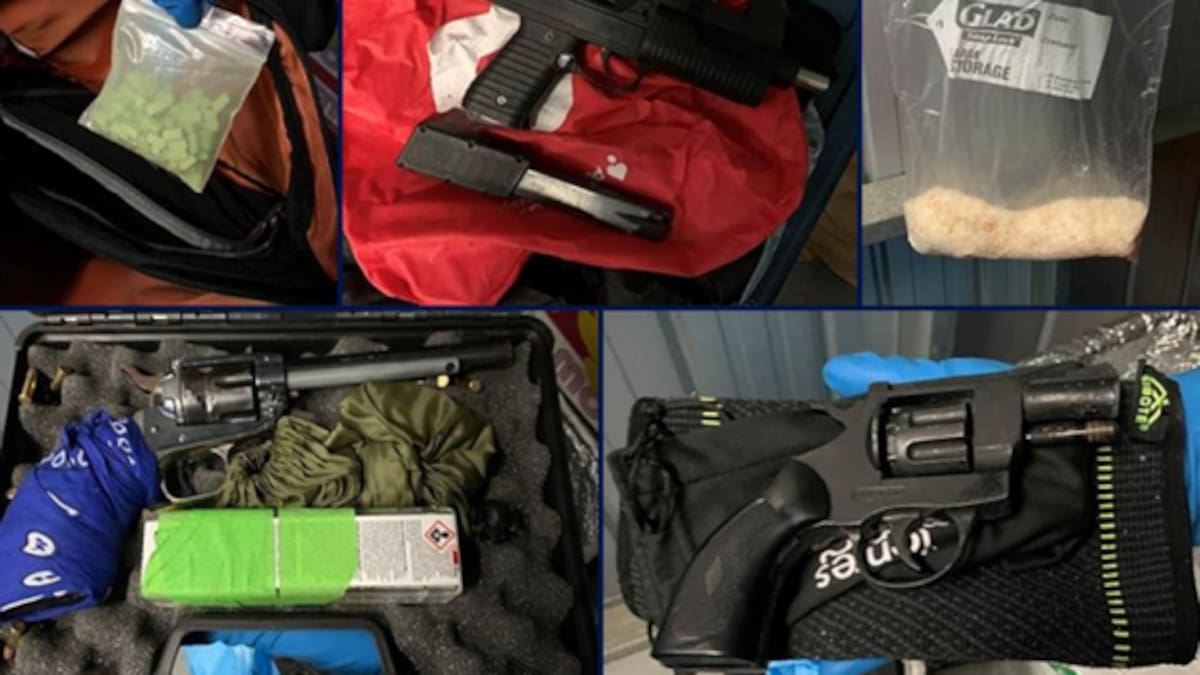
The investigation uncovered concerning evidence of firearms proliferation. Solomone possessed seven weapons and over 750 rounds of ammunition, taking selfies with a Glock pistol and semi-automatic firearm at his residence.
Justice and Rehabilitation
All defendants except one face potential life imprisonment when sentenced at Auckland High Court in May. The case demonstrates both the effectiveness of international law enforcement cooperation and raises important questions about privacy rights in the digital age.
Notably, charges against Richard Tauaalo were withdrawn, with his lawyer citing chemotherapy treatment conflicts, highlighting the human complexities within criminal justice proceedings.
The alleged operation leader remains overseas with pending charges, indicating this investigation's international scope continues.
Implications for Digital Rights
This case exemplifies the ongoing tension between public safety and digital privacy rights. While the operation successfully disrupted serious criminal activity, it also demonstrates how surveillance capabilities can penetrate technologies marketed as secure.
As New Zealand continues developing its digital infrastructure and privacy frameworks, cases like Operation Seltos will likely influence future policy discussions about encryption, surveillance, and the balance between security and civil liberties.